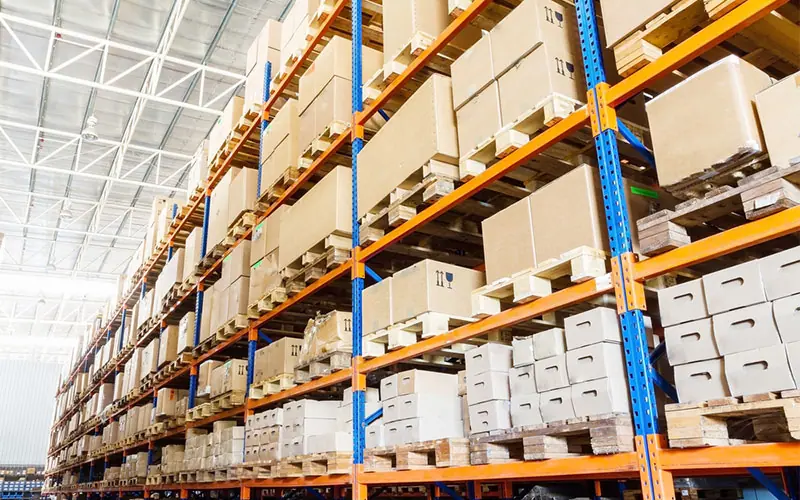
Closing or relocating a warehouse leaves you with a building full of equipment that isn’t coming along for the ride, at least not all of it. Racking, forklifts, conveyor sections, packaging equipment, and surplus inventory all need somewhere to go, and the decisions made here affect both the closure timeline and how much money comes back to offset the cost of the move. This is where asset liquidation services become part of the plan rather than an afterthought handled in the final weeks.
A lot of operators treat liquidation as something to figure out once everything else is settled. That order of operations usually costs money, since equipment sold under time pressure rarely gets what it’s actually worth.
Why Liquidation Timing Matters More Than People Think
The value of industrial equipment doesn’t hold steady while a closure date approaches. Buyers can tell when a seller is under pressure, and a facility trying to clear equipment in the final two weeks before a lease ends is not negotiating from a position of strength.
Starting the liquidation conversation early gives you options that disappear later. There’s time to get a proper valuation instead of a rushed estimate, time to find buyers who actually want specific equipment rather than accepting whoever shows up first, and time to sequence the sale so equipment still needed for daily operations isn’t sold before it should be.
This timing question also connects directly to the shutdown schedule itself. Equipment removal, cleaning, and final building handoff all depend on liquidation happening in the right order, and a liquidation plan built around the shutdown timeline tends to go a lot smoother than one treated as a separate, disconnected task.
What Gets Evaluated During a Liquidation
A proper liquidation process starts with an honest inventory, not a quick walkthrough. Racking, material handling equipment, conveyor and sortation components, office furniture, and any specialized machinery all need to be catalogued and assessed for condition and resale value.
This is also where realistic pricing matters more than optimistic pricing. Equipment that looked expensive when purchased doesn’t automatically hold that value years later, and depreciation on industrial equipment doesn’t always follow a straight line. Some equipment holds value surprisingly well if it’s in good condition and still in demand. Other equipment, especially anything tied to a specific automation setup, can be harder to resell and might be worth more as parts or scrap than as a complete unit.
Warehouse liquidation services that know the industrial equipment market can tell the difference between these categories quickly, which matters because misjudging this early leads to either underpricing something valuable or wasting time trying to sell something that isn’t going to move.
Deciding What to Sell, Move, or Scrap
Not everything in a closing facility falls into a simple “sell it” category. Some equipment is worth relocating to a new facility if the operation is continuing elsewhere, some is worth selling to recover value, and some genuinely isn’t worth the cost of moving or the effort of finding a buyer.
This decision needs to happen early, ideally as part of the same conversation as the shutdown or relocation plan, since it affects logistics on both ends. Equipment being relocated needs proper handling by a commercial moving company experienced with industrial equipment, not a general moving service unfamiliar with rigging, machinery transport, or the kind of documentation that keeps warranties and insurance intact during a move.
Equipment being sold needs a different kind of attention. Buyers for industrial racking or specialized machinery aren’t found through a general classifieds listing, and getting a fair price usually means having access to buyers who actually work in that space.
The Building Side of Liquidation
Liquidation isn’t only about equipment leaving the building, it’s also about what condition the building needs to be in once everything is gone. Lease terms often dictate specific requirements, whether that’s restoring the space to original condition or simply leaving it broom clean, and racking removal, floor patching, and electrical disconnection all need to be planned with that end condition in mind.
This is where liquidation planning overlaps with broader facility shutdown services, since the same team handling equipment removal and sale is often best positioned to coordinate the building restoration work that follows. A facility management company that understands both the mechanical and structural side of a facility can plan liquidation and building handoff as one connected process instead of two separate projects that occasionally miss each other on timing.
There’s a real cost to getting this wrong. Landlords conducting final walkthroughs tend to notice when racking removal left damage that wasn’t addressed, or when equipment removal skipped proper disconnection procedures that were part of the lease agreement. Disputes at this stage almost always cost more than doing the removal properly the first time.
Common Mistakes That Reduce Recovery Value
A few patterns show up repeatedly in warehouse liquidations that don’t go well. Waiting until the closure date is close before starting the process is probably the most common, since it removes almost all negotiating leverage and forces decisions under time pressure.
Underestimating the value of specialized equipment is another. Racking, conveyor sections, and automation components sometimes get treated as scrap simply because the person handling the sale doesn’t know there’s still a market for them. A proper valuation from someone who understands industrial equipment specifically catches this before value gets left on the table.
The third common mistake is separating liquidation from the rest of the shutdown or relocation planning, handling it as an isolated task instead of part of the same coordinated timeline. This usually leads to scheduling conflicts, where equipment removal for sale interferes with equipment removal for relocation, or building restoration work can’t start because liquidation hasn’t finished clearing a section of the floor.
If you’re planning a warehouse closure or relocation and want a realistic sense of what your equipment is actually worth and how the timeline should work, it’s worth having that conversation early rather than scrambling closer to the date. You can reach out to us to talk through your specific situation and what a proper liquidation plan would look like.
What a Well-Handled Liquidation Actually Achieves
A liquidation process that’s planned properly does two things at once. It recovers real value from equipment that would otherwise sit unused or get sold under pressure for far less than it’s worth, and it keeps the closure or relocation timeline on track instead of creating a bottleneck at the end of the project.
Neither of those outcomes happens by accident. They come from treating liquidation as part of the overall shutdown or relocation plan from the beginning, with enough lead time to actually find the right buyers and sequence the work properly, instead of trying to solve it all in the final weeks before the doors close.