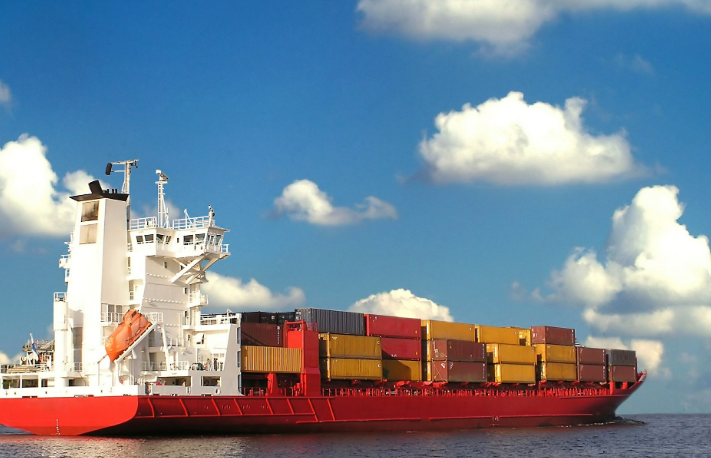
International trade continued to rely on dependable transportation methods, and ocean freight services remained one of the most effective solutions for moving goods across global markets. Businesses that needed to transport large shipments found that sea freight balanced affordability, scalability, and reliability. As global supply chains expanded, companies looked for logistics partners that simplified international shipping while ensuring cargo reached its destination efficiently.
King of Freight supported businesses by coordinating freight movements, streamlining logistics processes, and providing dependable shipping solutions. Under the leadership of Mike Ricklefs, the company focused on delivering customer-oriented freight services that addressed changing transportation requirements. This article explored how ocean freight services supported international shipping needs and why they remained a valuable choice for businesses engaged in global commerce.
How Ocean Freight Services Supported International Shipping Needs
Ocean freight became an essential part of international logistics because it allowed businesses to transport high-volume cargo at competitive costs. Companies across manufacturing, retail, agriculture, and industrial sectors relied on maritime shipping to reach overseas customers while maintaining efficient supply chains.
Ocean Freight Reduced Transportation Costs
Ocean freight helped businesses reduce overall transportation expenses, particularly when shipping large quantities of goods internationally. Compared with other transportation methods, sea freight offered greater cargo capacity, making it an economical option for bulk shipments.
Businesses benefited from:
- Lower shipping costs for large volumes
- Flexible container options for different cargo types
- Improved cost planning for long-distance shipments
- Better value for international trade operations
These advantages allowed organisations to allocate resources more effectively while maintaining consistent global distribution.
Ocean Freight Increased Global Market Access
International businesses expanded into new markets because ocean freight connected ports across multiple continents. Reliable shipping routes enabled companies to distribute products to customers without requiring significant investments in transportation infrastructure.
As global demand increased, logistics providers coordinated schedules, customs documentation, and shipment tracking to support seamless international deliveries. This helped businesses strengthen relationships with overseas suppliers and buyers.
Container Shipping Improved Cargo Protection
Standardised shipping containers significantly improved cargo security during international transportation. Products remained protected from weather conditions, handling damage, and theft throughout lengthy shipping journeys.
Different container types supported diverse shipping requirements, including:
- Standard dry containers
- Refrigerated containers
- Open-top containers
- Flat-rack containers
This flexibility allowed businesses to transport a wide variety of products safely and efficiently.
Technology Enhanced Ocean Freight Operations
Modern technology transformed international logistics by improving visibility, communication, and shipment management. Businesses increasingly relied on digital tools to monitor cargo movement and make informed supply chain decisions.
These technological improvements helped logistics providers reduce delays, improve planning, and respond quickly to changing shipping conditions.
Real-Time Shipment Tracking Improved Visibility
Shipment tracking systems provided businesses with timely updates throughout the transportation process. Customers monitored cargo locations and estimated arrival times using digital platforms that enhanced operational transparency.
Improved visibility reduced uncertainty while enabling better inventory management. Businesses also communicated more effectively with customers by providing accurate delivery information.
Digital Documentation Simplified International Shipping
Electronic documentation simplified many administrative tasks associated with ocean freight. Digital records reduced paperwork while helping businesses organise shipping documents more efficiently.
Examples included:
- Bills of lading
- Customs declarations
- Commercial invoices
- Shipping instructions
The transition to digital documentation reduced administrative delays and supported smoother customs processing.
Better Communication Strengthened Supply Chains
Effective communication played an important role in successful international shipping. Freight professionals maintained regular contact with carriers, customs authorities, and customers throughout the shipping process.
When unexpected challenges occurred, faster communication enabled quicker problem-solving and minimised disruptions. This collaborative approach improved supply chain performance and customer satisfaction.
Professional Freight Management Supported Business Growth
Businesses achieved stronger international operations when experienced logistics professionals managed freight transportation. Coordinated planning reduced unnecessary delays and improved shipment efficiency from origin to destination.
King of Freight worked closely with businesses to organise shipments that aligned with operational goals. Mike Ricklefs emphasised dependable service, efficient logistics coordination, and customer support throughout every stage of the shipping process.
Strategic Planning Reduced Shipping Challenges
Successful ocean freight shipments depended on careful planning before cargo departed. Businesses reviewed shipping schedules, packaging requirements, documentation, and customs regulations to minimise potential complications.
Planning often included:
- Selecting suitable container types
- Scheduling port departures
- Preparing customs documentation
- Coordinating inland transportation
These preparations reduced avoidable delays while supporting smoother international deliveries.
Flexible Shipping Solutions Supported Diverse Industries
Different industries required customised logistics strategies because cargo characteristics varied significantly. Freight professionals developed shipping plans that addressed unique transportation needs while maintaining operational efficiency.
Whether businesses shipped machinery, consumer products, agricultural goods, or industrial materials, flexible logistics solutions supported reliable international distribution.
Reliable Partnerships Improved Customer Confidence
Long-term logistics partnerships created greater confidence throughout the shipping process. Businesses valued providers that communicated clearly, managed shipments professionally, and adapted to changing transportation requirements.
King of Freight in Wichita supported customers by offering coordinated freight solutions designed to simplify international shipping. Wichita’s Freight company continued strengthening customer relationships through dependable service and consistent communication.
Strong Logistics Practices Improved International Shipping Results
Successful international shipping depended on more than simply transporting cargo across oceans. Efficient logistics planning connected every stage of the supply chain, from warehouse operations to final delivery.
Businesses that invested in organised freight management often achieved greater operational efficiency, improved customer satisfaction, and stronger long-term growth.
Customs Preparation Reduced Border Delays
Accurate customs documentation supported faster border clearance during international shipments. Businesses prepared required paperwork carefully to minimise unnecessary inspections and administrative issues.
Well-organised customs preparation also reduced the likelihood of shipment delays, helping businesses maintain delivery schedules and customer expectations.
Supply Chain Coordination Improved Efficiency
Ocean freight operated most effectively when every participant within the supply chain worked together. Freight brokers, carriers, warehouses, ports, and customers coordinated schedules to keep shipments moving efficiently.
This coordinated approach improved inventory planning, reduced bottlenecks, and helped businesses respond more effectively to changing market demands.
Continuous Improvement Strengthened International Shipping
Successful logistics providers regularly evaluated shipping performance to identify opportunities for improvement. Businesses analysed delivery times, transportation costs, customer feedback, and operational efficiency to refine future shipping strategies.
Michael Ricklefs recognised that continuous improvement helped organisations remain competitive within international trade. Wichita’s Shipping industry benefited from logistics practices that focused on reliability, communication, and long-term customer success.
See also: Affordable Social Media Marketing Company for Growing Businesses
Conclusion
Ocean freight services supported international shipping needs by providing cost-effective transportation, global market access, secure cargo handling, and dependable logistics coordination. Advances in technology, improved communication, and strategic freight planning further strengthened international supply chains while helping businesses meet growing customer expectations.
As global commerce continued evolving, professional logistics management remained essential for successful international shipping. King of Freight continued supporting businesses through reliable freight coordination, customer-focused service, and practical shipping solutions developed under the leadership of Ricklefs and Mike Ricklefs. Their commitment to efficient logistics contributed to stronger international transportation outcomes while reinforcing the value of dependable freight management.