A stable foundation is essential to the long-term performance of any structure. When soil conditions are weak, variable, expansive, or otherwise unsuitable for conventional shallow foundations, specialized foundation support may be necessary. Helical piers provide a practical solution for transferring structural loads through unstable surface soils and into stronger load-bearing strata.
Choosing dependable helical pier installers is an important part of achieving reliable foundation support. Proper installation requires more than driving steel elements into the ground. Contractors must understand site conditions, structural requirements, pier specifications, installation torque, load capacity, and the relationship between the foundation system and surrounding soil.
With professional planning and precise installation, helical pier systems can support new construction, stabilize existing structures, and address foundation concerns with comparatively limited site disruption. The right installation team can help ensure that the foundation support system is selected and installed according to the project’s specific requirements.
Understanding Helical Pier Foundation Systems
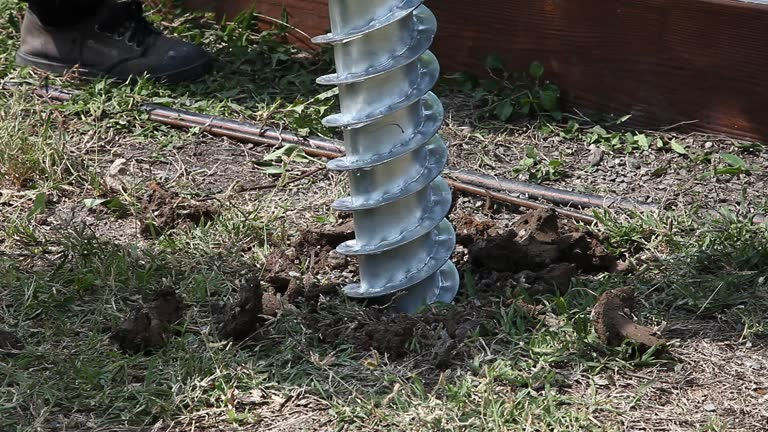
Helical piers are structural steel elements fitted with one or more helical plates. These plates allow the pier to advance into the ground while providing resistance as the system reaches suitable bearing conditions.
Unlike conventional foundation methods that depend primarily on near-surface soils, helical pier systems can transfer loads deeper into the ground. This makes them useful for projects where upper soil layers may not provide sufficient support.
How Helical Piers Transfer Structural Loads
As a helical pier is installed, its helix plates engage with the surrounding soil. Depending on the design and soil conditions, the pier can develop capacity through bearing at the helix plates and resistance along portions of the installed system.
The installation process provides important information about subsurface resistance. Experienced installers monitor installation conditions and torque to help determine whether the pier is reaching the required capacity.
Applications for New and Existing Structures
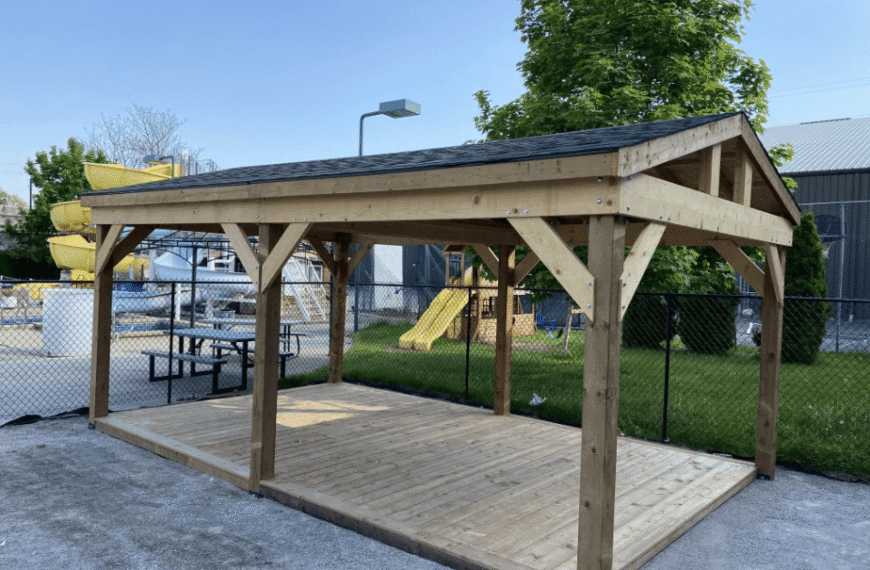
Helical piers can be used in a range of foundation applications. They may support additions, decks, porches, retaining structures, new buildings, and other construction projects.
They can also be used as part of foundation stabilization or underpinning work when an existing structure experiences settlement or requires additional support.
Why Professional Installation Matters
The performance of a helical pier system depends heavily on proper design and installation. Even high-quality components may not perform as intended if they are incorrectly positioned, installed to insufficient depth, or connected improperly to the supported structure.
Professional installers understand the importance of following project specifications and evaluating actual site conditions.
Matching the Pier System to the Project
Not every structure requires the same pier configuration. Pier shaft dimensions, helix sizes, extensions, brackets, and connection details can vary according to the anticipated loads and soil conditions.
A qualified installation team works from the engineering requirements rather than selecting a generic system for every project.
Maintaining Installation Accuracy
Pier placement matters. Installers need to position the system according to the project layout while maintaining appropriate alignment and connection requirements.
Accurate installation can help ensure that structural loads are transferred through the intended support points.
Evaluating Soil and Site Conditions
Subsurface conditions can vary considerably even within the same property. Soil layers may change with depth, and previous construction, fill materials, groundwater, or natural variations can influence foundation performance.
Understanding the Ground Beneath the Structure
Site and geotechnical information can help engineers and contractors determine appropriate foundation support strategies. Where available, soil reports and structural plans can provide useful information about anticipated conditions and loading.
Installers also gain valuable information during the installation process as the pier advances through different soil layers.
Responding to Variable Conditions
A dependable installation team needs to be prepared for conditions that differ from initial expectations. Changes in soil resistance, obstructions, or restricted access can affect installation procedures.
Careful monitoring and communication with the engineering team can help address these conditions without compromising the foundation system.
Supporting Foundation Repair and Stabilization
Helical piers can play an important role in projects involving existing structures. When a building experiences settlement, additional foundation support may be needed to help stabilize affected areas.
Addressing Settlement Concerns
Settlement can occur for several reasons, including weak soils, changes in moisture conditions, poor original site preparation, or other ground-related factors. Symptoms may include cracks, uneven floors, sticking doors, or changes in the alignment of portions of a structure.
These symptoms do not automatically mean that helical piers are required. A qualified professional should evaluate the underlying cause before recommending a foundation repair strategy.
Underpinning Existing Foundations
In appropriate situations, helical piers can be installed alongside or beneath portions of an existing foundation. Brackets and other structural connections can then transfer loads to the pier system.
Underpinning requires careful planning because work is being performed around an existing structure. Installers must coordinate excavation, pier placement, structural connections, and any required load-transfer procedures.
Benefits of Helical Pier Installation
Helical pier systems offer several characteristics that can make them suitable for specific foundation projects.
Limited Vibration
Compared with some traditional deep foundation installation techniques, helical piers can often be installed with relatively low vibration. This can be particularly useful when work takes place near existing buildings or sensitive structures.
Reduced vibration may also help limit disruption to surrounding areas, although site-specific conditions should always be evaluated.
Adaptability to Restricted Sites
Some properties have limited access or tight working conditions. Helical pier equipment can be available in configurations suitable for certain confined spaces, making the system practical for selected residential and commercial applications.
The actual equipment required depends on the project, pier size, soil conditions, and access constraints.
Immediate Structural Support Potential
Once properly installed and connected according to the engineering design, helical piers can provide structural support without requiring the same curing period associated with certain concrete foundation methods.
The timing of load transfer should always follow the project engineer’s specifications.
Installation Process and Project Coordination
A professional helical pier project typically involves several coordinated stages. Proper sequencing helps ensure that the foundation support system meets the project’s structural requirements.
Site Preparation and Layout
Before installation begins, the work area is prepared and pier locations are established according to the project plans. Access requirements, existing structures, utilities, and other site considerations are reviewed.
Accurate layout helps ensure that each pier is installed in its intended location.
Pier Installation
The helical pier is advanced into the soil using specialized equipment. Installers monitor the installation process and relevant measurements as the pier progresses.
Additional extensions can be added when required to reach the specified installation depth or bearing conditions.
Structural Connection
After installation, the pier is connected to the structure using an appropriate bracket or connection system. The exact method depends on whether the pier is supporting new construction, an existing foundation, or another structural element.
The connection is a critical part of the system because it transfers the structural load into the installed pier.
The Role of Installation Torque
Installation torque can provide useful information about soil resistance during helical pier installation. As the pier advances, installers can monitor torque values to help determine whether the system is achieving the specified installation criteria.
Using Field Measurements
Torque readings can help installers document installation conditions and support verification of the designed capacity when the applicable engineering methodology uses torque-to-capacity relationships.
However, torque should not be treated as a universal substitute for engineering evaluation. Soil characteristics, equipment calibration, pier configuration, and project requirements all matter.
Maintaining Installation Records
Detailed records can improve project documentation. Information may include pier locations, installation depths, torque measurements, extensions used, and other relevant observations.
Good documentation provides useful information for engineers, contractors, and property owners and helps establish a clear record of the foundation work.
Working Safely Around Existing Structures
Foundation installation requires careful attention to safety. Excavation, heavy equipment, structural loads, underground utilities, and existing foundation conditions can create significant hazards.
Protecting the Work Area
Professional crews establish appropriate work zones and use equipment according to applicable safety procedures. Site conditions should be monitored throughout the installation process.
When working around an existing building, installers also need to consider how excavation and foundation work could affect nearby structural elements.
Coordinating With Utility Locations
Underground utilities should be identified before excavation or equipment operations begin. Proper planning can reduce the risk of damaging buried infrastructure and help protect workers and surrounding property.
Selecting Dependable Helical Pier Installers
Choosing an experienced contractor is an important step in any foundation support project. Homeowners, builders, and developers should consider several factors before selecting an installation team.
Experience With Similar Projects
A contractor who regularly performs helical pier installation may be familiar with different soil conditions, structural applications, equipment requirements, and installation challenges.
Experience with projects similar to yours can provide useful insight into how the work may need to be approached.
Communication and Documentation
Clear communication is essential when foundation work involves engineers, builders, property owners, and other contractors. A dependable installer should be able to explain the installation process and provide appropriate documentation.
Professional communication can also make it easier to identify and resolve unexpected site conditions.
Building Confidence Through Quality Foundation Support
Foundation work is not an area where shortcuts are advisable. The support system beneath a structure has a direct relationship with its long-term performance, which makes proper design, installation, and documentation essential.
Helical piers can provide an effective foundation support option when they are appropriately designed for the site’s soil conditions and structural requirements. Their versatility, relatively low-vibration installation, and suitability for certain restricted-access projects make them useful in a variety of applications.
However, the system’s success depends on more than the pier itself. Engineering, site evaluation, accurate installation, proper structural connections, and careful monitoring all contribute to the finished foundation system.
See also: The Ultimate Guide: Top 10 HRMS Software for Businesses in 2026
Conclusion
Dependable helical pier installers can provide valuable foundation support for projects where conventional shallow foundation methods may not be suitable. From new construction and additions to foundation stabilization and underpinning, helical pier systems can offer a practical way to transfer structural loads into more suitable soil layers.
The quality of the final result depends on careful planning and professional execution. Proper pier selection, accurate placement, installation monitoring, torque documentation, structural connections, and attention to site safety all play important roles.
When selecting a helical pier contractor, look for experience, technical knowledge, reliable communication, appropriate equipment, and a commitment to following project specifications. With the right combination of engineering and skilled installation, a helical pier system can provide dependable support and help create a stronger foundation for the structure above it.