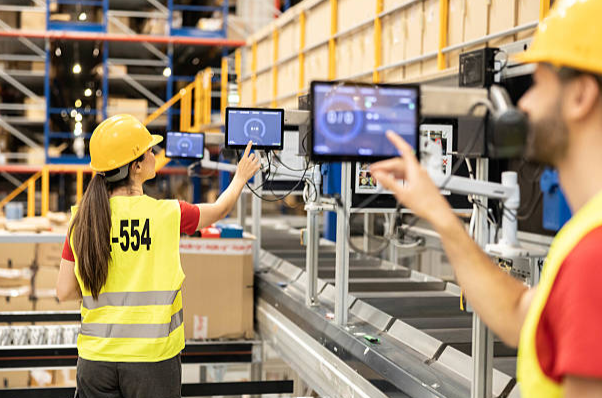
As businesses expand, warehouse operations become more complex. Higher order volumes, increasing customer expectations, and changing supply chain demands require smarter ways to manage inventory and fulfil orders. This is why warehouse Robotics Solutions have become an essential part of modern warehouse strategies. Rather than replacing existing operations entirely, scalable robotic systems allow businesses to improve efficiency while adapting to future growth.
The ability to expand automation over time gives organisations greater flexibility and better returns on investment. When combined with thoughtful facility planning and support from an experienced commercial construction company, warehouse Robotics Solutions create warehouses that are prepared for both today’s challenges and tomorrow’s opportunities.
Why Scalable Warehouse Robotics Solutions Matter
Growing businesses need warehouse systems that can evolve without requiring complete operational redesigns. Scalable warehouse Robotics Solutions allow companies to introduce automation gradually, adding new capabilities as production increases and customer demands change.
Instead of making large upfront investments in oversized systems, businesses can build automation in phases. This approach minimises disruption, improves financial flexibility, and ensures operations remain adaptable as business needs evolve.
See also: Effective Prostate Enlargement Treatment for Better Health Outcomes
Supporting Business Growth Through Flexible Automation
Scalable robotics provide the flexibility to increase warehouse capacity without rebuilding existing processes. Businesses can expand automation by adding robotic picking systems, automated transport solutions, or intelligent storage technologies whenever required.
Key advantages include:
- Increased warehouse throughput
- Faster order fulfilment
- Improved inventory accuracy
- Greater operational flexibility
- Easier adaptation to seasonal demand
This flexible strategy helps organisations grow confidently while maintaining efficient warehouse operations.
Maximising Long-Term Investment Value
Investing in warehouse Robotics Solutions becomes more cost-effective when businesses implement automation gradually. Rather than purchasing every technology at once, organisations can prioritise areas that deliver the greatest operational improvements.
Each phase builds upon previous investments, reducing unnecessary expenditure while creating measurable productivity gains. This scalable approach supports sustainable growth and allows businesses to respond quickly to changing market conditions.
Building Warehouses Ready for Robotics
Successful robotics implementation requires more than advanced equipment. The warehouse itself must be designed to support automation, future expansion, and evolving operational workflows. Infrastructure planning plays a critical role in ensuring robotic systems perform efficiently over the long term.
Working with a commercial construction company during warehouse development helps businesses prepare facilities that can easily accommodate future automation upgrades.
Designing Flexible Warehouse Layouts
A well-designed warehouse creates space for robotics while maintaining efficient product flow. Flexible layouts make it easier to introduce new equipment without disrupting daily operations.
Important design considerations include:
- Wide travel pathways for robotic vehicles
- Expandable storage zones
- Modular conveyor layouts
- Accessible maintenance areas
- Future-ready electrical systems
These design features simplify future upgrades and reduce the cost of expanding warehouse automation.
Infrastructure That Supports Automation Growth
Warehouse robotics depend on reliable building infrastructure. Electrical capacity, network connectivity, flooring quality, and structural design all influence long-term system performance.
An experienced commercial construction company understands how to integrate these requirements into warehouse construction and renovation projects. This forward-thinking approach helps businesses avoid costly infrastructure upgrades after robotics systems have already been installed.
Improving Operational Efficiency with Robotics
Warehouse Robotics Solutions improve operational performance by automating repetitive tasks while increasing consistency across warehouse processes. As businesses grow, maintaining speed and accuracy becomes increasingly important, making robotics a valuable long-term investment.
Automation also enables warehouse teams to focus on more strategic responsibilities that require human judgement and problem-solving skills.
Faster Order Fulfilment and Inventory Accuracy
Robotic systems reduce manual handling while improving order processing speed and inventory management. Automated technologies consistently follow established workflows, reducing errors and increasing productivity.
Benefits include:
- Faster picking and packing
- Improved inventory tracking
- Reduced order errors
- Better stock visibility
- Higher customer satisfaction
These improvements help businesses maintain reliable service even as order volumes continue to increase.
Enhancing Workforce Productivity
Warehouse Robotics Solutions are designed to support employees rather than replace them. By handling repetitive movement and transport tasks, robotics allow warehouse staff to focus on quality control, customer service, and operational improvements.
This collaboration between people and technology improves workplace efficiency while reducing physical strain associated with repetitive manual activities. Businesses benefit from stronger productivity without significantly increasing labour requirements.
Preparing for Future Business Expansion
Technology continues to evolve rapidly, making scalability an essential consideration for warehouse planning. Businesses that invest in adaptable warehouse Robotics Solutions position themselves to adopt new technologies with minimal disruption.
Preparing warehouses today helps organisations remain competitive as supply chain expectations continue to change.
Modular Robotics Simplify Future Upgrades
Modern robotics systems are designed using modular components that allow businesses to expand automation over time. Additional robots, storage systems, or transport technologies can often be integrated without replacing existing equipment.
Examples include:
- Additional robotic picking stations
- Expanded autonomous vehicle fleets
- Automated storage modules
- Smart inventory scanning systems
- Integrated warehouse management software
This modular approach allows businesses to increase operational capacity while protecting previous investments.
Using Operational Data for Better Decisions
Warehouse Robotics Solutions generate valuable operational data that supports continuous improvement. Businesses gain visibility into inventory movement, equipment utilisation, workflow efficiency, and order processing performance.
These insights enable managers to identify bottlenecks, improve warehouse layouts, and make informed decisions about future investments. Data-driven planning ensures automation continues delivering value as business operations expand.
Best Practices for Successful Robotics Implementation
Introducing robotics requires careful planning, realistic objectives, and strong collaboration between operational teams and facility specialists. Businesses that take a structured approach are more likely to achieve lasting operational improvements.
A phased implementation strategy reduces risk while creating opportunities for continuous optimisation.
Assess Current Operations Before Investing
Before selecting warehouse Robotics Solutions, businesses should evaluate existing warehouse processes and identify areas where automation will deliver the greatest impact.
Key assessment areas include:
- Inventory movement patterns
- Order fulfilment efficiency
- Warehouse space utilisation
- Labour-intensive workflows
- Future growth projections
This evaluation provides a clear roadmap for introducing robotics in stages while maximising operational benefits.
Work with Experienced Project Partners
Successful warehouse automation depends on both technology and infrastructure. Collaboration with an experienced commercial construction company ensures warehouse facilities are prepared to support robotics today and future automation expansions.
MTLI Group helps businesses plan, upgrade, and optimise warehouse environments that are ready for advanced robotic systems. By integrating facility expertise with automation planning, organisations can create scalable operations that support long-term success.
Conclusion
Warehouse Robotics Solutions provide businesses with a practical way to improve efficiency while preparing for future growth. Scalable automation allows organisations to increase warehouse capacity, improve order accuracy, and adapt to changing customer demands without major operational disruption. Combined with strategic facility planning and reliable infrastructure, robotics become a valuable long-term investment rather than a short-term upgrade.
Partnering with an experienced commercial construction company ensures warehouses are built to support expanding automation technologies and evolving operational needs. With careful planning and scalable implementation, businesses can create flexible warehouse environments that continue delivering value for years to come. MTLI Group supports organisations in developing automation-ready facilities that promote sustainable growth, operational resilience, and long-term business success.