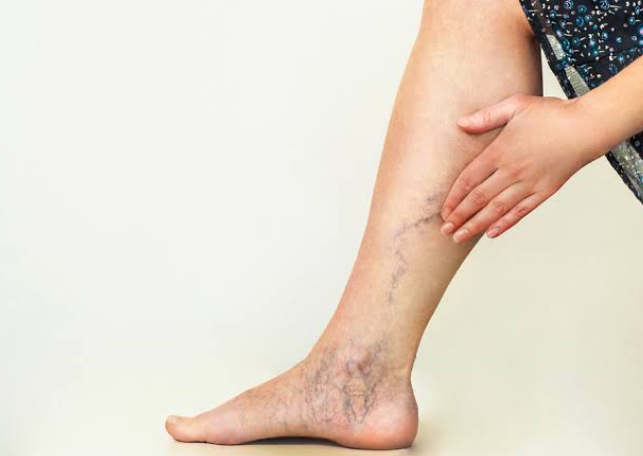
Millions of Americans live with symptoms of vein disease, often dismissing them as a normal part of aging, standing too long, or simply having tired legs. However, symptoms such as aching, heaviness, swelling, visible veins, and leg fatigue may indicate an underlying circulation problem that can worsen over time if left untreated.
Fortunately, modern vein treatment has come a long way. Many vein conditions can now be treated using minimally invasive procedures performed in an outpatient setting with little disruption to daily life.
What Is Vein Disease?
Vein disease occurs when the veins, most commonly in the legs, struggle to efficiently return blood to the heart. This is often caused by weakened or damaged valves inside the veins.
When these valves fail to function properly, blood can begin pooling in the legs, creating increased pressure within the veins. Over time, this can contribute to symptoms and visible vein changes.
Common signs of vein disease include:
- Varicose veins
- Spider veins
- Leg swelling
- Aching or throbbing
- Feelings of heaviness
- Restless legs
- Burning or itching sensations
- Leg fatigue
- Skin discoloration
While some people seek treatment because of visible veins, many pursue care because of the physical symptoms that affect their quality of life.
Who May Benefit From Vein Treatment?
Vein treatment may be appropriate for individuals experiencing:
- Persistent leg pain or discomfort
- Swelling that worsens throughout the day
- Visible varicose veins
- Spider veins accompanied by symptoms
- Leg heaviness after standing
- Recurring leg cramps
- Skin changes around the lower legs or ankles
Even small visible veins can sometimes signal an underlying circulation issue. For this reason, a professional evaluation is often the first step toward understanding the cause of your symptoms.
How Is Vein Disease Diagnosed?
A vein specialist typically begins with a comprehensive consultation and physical examination.
One of the most important diagnostic tools is a duplex ultrasound. This noninvasive imaging test allows specialists to evaluate blood flow, identify damaged vein valves, and determine whether venous reflux is present.
Because vein symptoms can have multiple causes, ultrasound imaging helps create an accurate diagnosis and personalized treatment plan.
Types of Modern Vein Treatments
Today’s vein treatments are designed to address the underlying source of vein disease rather than simply masking symptoms.
Endovenous Laser Treatment (EVLT)
EVLT uses laser energy delivered through a thin catheter to close diseased veins. Once the vein is sealed, blood naturally reroutes through healthier veins nearby.
This procedure is commonly used to treat larger varicose veins and underlying venous reflux.
Radiofrequency Ablation (RFA)
Radiofrequency ablation uses controlled heat generated by radiofrequency energy to close problematic veins.
RFA is one of the most commonly performed minimally invasive vein procedures and often requires little recovery time.
VenaSeal™
VenaSeal uses a specialized medical adhesive to seal diseased veins. The treated vein closes, and blood flow is redirected through healthier veins.
Many patients appreciate that this procedure often involves minimal discomfort.
ClariVein®
ClariVein combines mechanical and chemical treatment methods to close faulty veins without the use of thermal energy.
The procedure is minimally invasive and performed in an outpatient setting.
Varithena®
Varithena is an injectable foam treatment designed to treat certain types of varicose veins. The foam is delivered into the diseased vein, causing it to close and eventually be absorbed by the body.
Sclerotherapy
Sclerotherapy is commonly used to treat spider veins and smaller varicose veins. A specialized solution is injected directly into the vein, causing it to collapse and gradually fade over time.
This treatment can improve both the appearance of visible veins and vein-related symptoms.
What Happens During Vein Treatment?
Most modern vein procedures are office-based and require only local anesthesia.
Treatment typically involves:
- Identifying the affected veins using ultrasound guidance
- Performing a minimally invasive procedure through a tiny access point
- Closing or treating the diseased vein
- Allowing blood flow to reroute through healthier veins
Many procedures take less than an hour and do not require a hospital stay.
Recovery After Vein Treatment
One of the biggest advantages of modern vein treatment is the relatively short recovery period.
Most patients are able to:
- Walk immediately after treatment
- Return to daily activities quickly
- Resume work soon after their procedure
- Experience minimal downtime
Your vein specialist may recommend:
- Wearing compression stockings
- Taking short walks throughout the day
- Avoiding strenuous activities temporarily
- Attending scheduled follow-up appointments
It is common to experience mild bruising, tenderness, or tightness while the treated vein heals.
Will Vein Treatment Prevent Future Vein Problems?
Vein treatments are designed to address existing diseased veins, but they cannot completely eliminate the risk of developing new vein issues in the future.
Risk factors such as:
- Genetics
- Aging
- Pregnancy
- Prolonged standing
- Obesity
- Hormonal changes
can continue to influence long-term vein health.
Regular activity, maintaining a healthy weight, and following your physician’s recommendations can help support healthy circulation after treatment.
See also: Bring More Light Into Living Spaces With Smart Overhead Design Ideas
Is Vein Treatment Worth It?
For many patients, vein treatment offers more than cosmetic improvement.
Common benefits may include:
- Reduced leg pain
- Less swelling
- Improved comfort when walking or standing
- Relief from heaviness and fatigue
- Better circulation
- Reduced visibility of problematic veins
Addressing vein disease early can also help prevent progression to more advanced stages that may involve skin changes or chronic swelling.
The Bottom Line
Modern vein treatment offers safe, effective options for managing both the symptoms and appearance of vein disease. Whether you’re dealing with spider veins, varicose veins, swelling, or chronic leg discomfort, minimally invasive procedures can help restore healthier blood flow and improve your quality of life.
If you are experiencing ongoing leg symptoms or have concerns about visible veins, a vein evaluation can help determine whether treatment is appropriate and which option may be best for your specific condition.