

Browsing: Health

Tirzepatide Side Effects: What to Monitor, What Can Wait, and What Needs Urgent Care
Direct answer: Nausea, diarrhea, vomiting, constipation, abdominal discomfort, indigestion, and reduced appetite are among the common adverse reactions listed for tirzepatide. The practical safety task is not merely naming them.…
Vein Treatment: What to Expect and When to Consider It
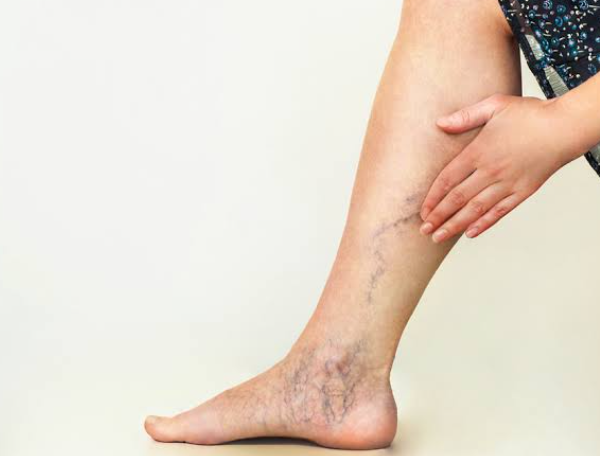
Millions of Americans live with symptoms of vein disease, often dismissing them as a normal part of aging, standing too long, or simply having tired legs. However, symptoms such as aching, heaviness, swelling, visible veins, and leg fatigue may indicate an underlying circulation problem that can worsen over time if left untreated. Fortunately, modern vein treatment has come a long way. Many vein conditions can now be treated using minimally invasive procedures performed in an outpatient setting with little disruption to daily life. What Is Vein Disease? Vein disease occurs when the veins, most commonly in the legs, struggle to efficiently return blood to the heart. This is often caused by weakened or damaged valves inside the veins. When these valves fail to function properly, blood can begin pooling in the legs, creating increased pressure within the veins. Over time, this can contribute to symptoms and visible vein changes. Common signs of vein disease include: While some people seek treatment because of visible veins, many pursue care because of the physical symptoms that affect their quality of life. Who May Benefit From Vein Treatment? Vein treatment may be appropriate for individuals experiencing: Even small visible veins can sometimes signal an underlying circulation issue. For this reason, a professional evaluation is often the first step toward understanding the cause of your symptoms. How Is Vein Disease Diagnosed? A vein specialist typically begins with a comprehensive consultation and physical examination. One of the most important diagnostic tools is a duplex ultrasound. This noninvasive imaging test allows specialists to evaluate blood flow, identify damaged vein valves, and determine whether venous reflux is present. Because vein symptoms can have multiple causes, ultrasound imaging helps create an accurate diagnosis and personalized treatment plan. Types of Modern Vein Treatments Today’s vein treatments are designed to address the underlying source of vein disease rather than simply masking symptoms. Endovenous Laser Treatment (EVLT) EVLT uses laser energy delivered through a thin catheter to close diseased veins. Once the vein is sealed, blood naturally reroutes through healthier veins nearby. This procedure is commonly used to treat larger varicose veins and underlying venous reflux. Radiofrequency Ablation (RFA) Radiofrequency ablation uses controlled heat generated by radiofrequency energy to close problematic veins. RFA is one of the most commonly performed minimally invasive vein procedures and often requires little recovery time. VenaSeal™ VenaSeal uses a specialized medical adhesive to seal diseased veins. The treated vein closes, and blood flow is redirected through healthier veins. Many patients appreciate that this procedure often involves minimal discomfort. ClariVein® ClariVein combines mechanical and chemical treatment methods to close faulty veins without the use of thermal energy. The procedure is minimally invasive and performed in an outpatient setting. Varithena® Varithena is an injectable foam treatment designed to treat certain types of varicose veins. The foam is delivered into the diseased vein, causing it to close and eventually be absorbed by the body.…
Subscribe to Updates
[mc4wp_form id=68]
